
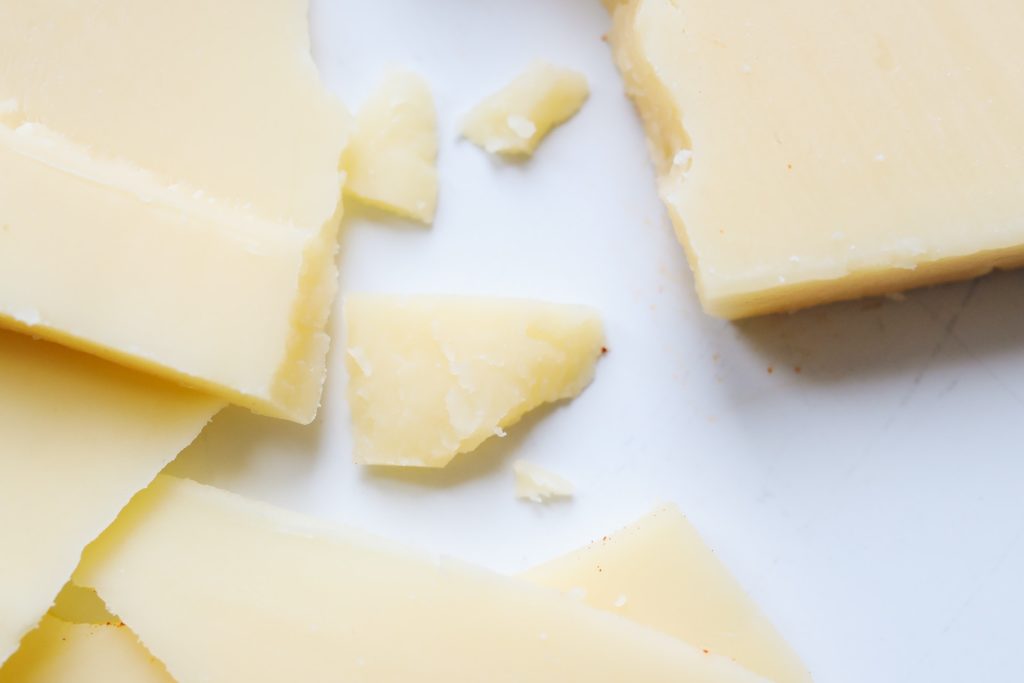
We all know that cheese is the best and essential part of a Pizza, homemade or store-bought. What is the best cheese for a homemade pizza? We reviewed this question extensively an din this article we present details of what we have found.
The best cheese for homemade pizza is mozzarella. Best types of mozzarella for traditional Italian pizza were Mozzarella di Buffalo and Fior di latte. Nowadays, there are many other types of cheese that you can also successfully use for pizza that you make at home, including provolone, cheddar, and many more.
In this article, we went in-depth about which cheese is the best for pizza-making purposes and which cheese blends give your pizza an authentic Italian or American pizza taste. Read on.
What makes the best authentic homemade Italian pizza?
- Temperatures should reach about 400 degrees for the pizza to cook perfectly in few minutes.
- Use fresh toppings instead of canned stuff to make a premium pizza.
- The choice of cheese or cheese blend for pizza should be correct.
- Cooking within an appropriate time and with proper steps without overdoing or undercooking.
- Use freshly-bought mozzarella or other cheese and not the one grated that comes in a packet, possibly.
- When making cheese blends for pizza, remember that mozzarella usually should form the primary base.
- Shred the cheese block only when making the pizza and not beforehand, as the exposure to air makes it lose the flavor.
- Do not freeze the cheese intended for pizza, as it can diminish the flavor.
Best mozzarella cheese for homemade pizza
Mozzarella Cheese is the best option for homemade pizza. Mozzarella is the most used pizza cheese in the world and the USA. It is made from buffalo milk by curdling it. Mozzarella is stretched curd cheese. Curd is stretched a couple of times by dipping it in hot water and then stretch it.
What is the difference between “pizza mozzarella” and regular mozzarella
Historically, there is no difference between pizza mozzarella and regular mozzarella. People always used fresh mozzarella to make their pizzas at home. After progress in food processing, US cheese manufacturers came up with what is now called “pizza mozzarella.”
Nowadays, pizza mozzarella is fresh mozzarella de-moisturized and sold in firm, sturdy plastic-packed blocks at your local grocery stores. That is why in the USA, low-moisture mozzarella is called “pizza mozzarella.”
De-moisturized firm mozzarella has better melting capabilities and is less perishable. Hence it is mainly used by households for making homemade pizza. Source.
Which is best- low moisture or high moisture mozzarella?
Essentially, this is the same question as above. Fresh mozzarella has more water content. Another primary difference between the two is the longer shelf life of low moisture mozzarella. In comparison, high moisture mozzarella has a shorter shelf life.
Note that low moisture mozzarella is denser, saltier, and longer-lasting as compared to high moisture mozzarella. Low moisture helped fast-melting during backing and made with whole milk as compared to high moisture one. It is an excellent addition to making cheese blends.
The best mozzarella for homemade pizza is the whole milk mozzarella. Avoid part skimmed or low-fat milk if you are making your mozzarella cheese for pizza. Fat is essential to add in its unique flavor.
Here is why is mozzarella cheese used in pizza:
Mozzarella gives an authentic Italian pizza flavor. Mozzarella cheese is versatile, stretchy, very elastic, can be quickly melted and applied to pizza. Unlike some other cheeses, mozzarella does not crumble or break down when you make pizza at home or in the pizza shop. Mozzarella cheese makes homemade pizza quite tasty.
The following qualities of mozzarella make it a perfect homemade pizza:
- Mozzarella has perfect moisture content to retain its structure when heated up, unlike many other cheese types, which either lose or keep too much water. Source.
- Mozzarella comprises just enough moisture and an optimal amount of oil fat to keep it together when heated up.
- Mozzarella has a great consistency and is not too salty.
- Thus, mozzarella melts and bubbles better than other cheeses, creating an excellent pizza top.
- Mozzarella has one of the best stretching abilities among other cheeses, making it versatile and convenient for making pizza. Cheese stretching ability is sometimes called “meltability.”
- It is easy to chop and drain before adding it to your pizza and then [acing it into a home oven.
- Mozzarella has superior taste on your homemade pizza because it better retains flavor due to the qualities mentioned above.
- Mozzarella cheese does not interfere with other pizza flavors as it has a bland taste.
- It does not melt mushy and create oil puddles.
- Mozzarella is minimally processed, offering a fresh taste with a creamy and light texture.
What kind of mozzarella is best for pizza?
There is also a historical reason for such everyday use of mozzarella in pizza. And why Mozzarella di Buffalo was commonly used in Italy when Italians made pizza at home.
Water buffalo was and is well known for its raising efficiency compared to a cow as it can generate high protein and fat cheese-making milk even by consuming lesser grass.
Buffalo milk cheese is ideal for pizza with less water content that permits the casein protein to break apart in a brief amount of time while cooking pizza.
These factors result in mozzarella stretch with gooeyness with no burning.
Note that you can use any cheese that melts – swiss, provolone, gouda, American, and other kinds to make pizza at home. Not using mozzarella on your homemade pizza is not a crime, of course. But without it, you will not make purely authentic Italian pizza.
How to use mozzarella cheese on homemade pizza?
You can make use of mozzarella with or without any blend. You can add flavor by blending with other cheese sprinkles like gorgonzola, feta, blue, romano, or asiago. Slice them thin or grate the cheese block. Drain the extra moisture if you are using fresh mozzarella.
Fresh mozzarella vs. shredded for homemade pizza
As you may have already guessed, low moisture mozzarella cheese is often sold in stores shredded in plastic bags.
While using fresh mozzarella could be more authentic, nowadays, using it fresh and moist is a particularly inconvenient process. You would have to drain it, cut, and prepare it properly. You do not need to mess with very moist and crumbly fresh mozzarella for making pizza at home.
On the one hand, we suggest avoiding purchasing shredded low moisture mozzarella due to some loss of flavor because of exposure to air in the process of shredding.
Also, pre-shredded cheese may have some cellulose and starch and anti-caking agents added to it, which may cause uneven melting and an imperfect pizza cooking.
Finally, pre-shredded cheese already exposed to air spread on the pizza may cause turn that pizza crust to brown quicker than necessary. Pizza crust will still be perfectly eatable but not very good-looking with brown spots. You must have seen it on commercial pizzas often.
You will be better off shredding it yourself just before making pizza. Alternatively, buy pre-shredded cheese from a good manufacturer – see below.
On the other hand, this is not critical. Many people find it very convenient to purchase already shredded low moisture mozzarella at a local grocery store and then use it to make pizza at home.
Best low moisture mozzarella for homemade pizza
Essentially, low moisture mozzarella is now standard pizza cheese in the US. You can use any brand, but some good brands stand out. Nest low moisture mozzarella for pizza must be made from whole milk by a good cheese manufacturer with a solid reputation.
For example, Grande company whole milk low moisture mozzarella is excellent if you can get your hands on it. It is not cheap but solid quality cheese.
Galbani brand is another example. Polly-O, Cappiello (Trader Joe’s) are also fine brands. Organic Valley, Sorrento, Sargent cheese brands are also on the buy list. Source.
Best fresh mozzarella for pizza
The best fresh mozzarella brands are Mozzarella di Buffalo and Fior di latte. Mozzarella di Buffalo is a fresh cheese made from whole milk produced by water buffalo.
This has been the standard cheese brand for centuries. Whole milk makes fresh cheese of exemplary qualities, which are excellent to make pizza.
Fior di latte is another historical standard cheese for pizza made from cow’s whole milk.
But the two kinds of cheese above are rare and sometimes difficult to find. Therefore, the best fresh mozzarella for pizza includes pretty much the same brands that produce the best low moisture pizza cheese.
The best brands to buy fresh mozzarella cheese balls for pizza include Galbani, Grande, Polly-O, Via Roma, Trader Joe’s, and Whole Foods brands, Sorrento.
These brands will yield excellent fresh pizza cheese. Note that it is practically impossible to shred fresh mozzarella due to high moisture content. Therefore, you must slice fresh mozzarella when making pizza at home.
Best shredded mozzarella for homemade pizza
The best shredded mozzarella for pizza is the one you grate yourself. But there are reputable brands to buy from. You can use such pre-shredded whole milk mozzarella brands as Costco Kirkland pre-shredded mozzarella, Galbani, Grande again.
Make sure they are labeled as pre-shredded and made from whole milk. Made from skimmed milk will work too, but that will be another deviation from authentic pizza.
We checked the forums. Some people say that Grande pre-shredded cheese bags contain some nitrogen to preserve cheese in its best quality. That reduces issues usually caused by pre-shredded cheeses when making pizza.
Video with complete explanation of why Mozzarella is the best cheese for pizza according to science:
Other Cheeses Commonly Used for Pizza
Provolone cheese for pizza
Provolone is an Italian cheese of semi-hardness and the 2nd most used in pizza to blend after mozzarella. Its flavor is different based on its aging.
Provolone cheese gives a sweet flavor with a creamier texture when it is aged less, while longer aging yields a dryer texture with a sharper taste. You can use provolone and mix it with another cheese to get a unique flavor in your homemade pizza.
Provolone cheese adds a bit of sharpness to pizza, although provolone is not as sharp as cheddar. For those who make pizza at home, provolone cheese is easy to find in a local grocery store.
Note that provolone is harder than mozzarella. Provolone alone results in more stringy and chewy cheese topping on pizza. Some people do not like this on their pizzas.
Provolone is good with softer pizza toppings like vegetables. Do not use lots of provolone on pizza with hard toppings as you may have not so pleasant experience unless you like to bite and chew pizza that you made at home.
Cheddar Cheese for pizza
Cheddar cheese has a sharp taste but is not entirely associated with pizza cheese. Seeing cheddar on pizza is a rare occurrence. It is, however, included in several cheese blends.
Cheddar has smaller elasticity and crumbles more easily, unlike mozzarella. Cheddar cheese does not melt well, which is unsuitable for making a pizza because cheddar does not tolerate heat and burn.
Therefore, many chefs do not recommend using cheddar alone when you make your pizza at home. But adding a little bit of cheddar to a homemade pizza cheese blend is possible and acceptable. Add a smaller percentage of cheddar with another cheese.
A deeper orange tint with sharper-tasting cheddar cheese adds sharp flavor to your blend and color to your pizza.
Cheddar goes amazing with meat pizza toppings like salami or pepperoni. Its sharp flavor enhances the flavor of the meat.
Parmesan Cheese for pizza
Parmesan cheese is a hard cheese that can be added with other Italian and aged hard. However, this cheese is best when shredded well and sprayed over pizza on top of different cheeses like mozzarella. Chefs recommend viewing parmesan on pizza as a garnish rather than topping for a few reasons.
This cheese is either used shredded or shaved over fresh homemade pizzas because it does not melt well. It is a hard and salty cheese. Do not blend it in your cheese mix with several kinds of strong-flavored cheeses as the flavor of parmesan is delicate and dry.
When it is baked on high heat, the umami taste is destroyed. Instead, when you make pizza at home, garnish your pizza with some parmesan to increase the pizza flavor and its toppings.
Historically, Italians do not add parmesan to pizza. Adding parmesan is more of a modern American thing.
The four main kinds of cheese used for pizza either solely or in a blend or as a sprinkle are cheddar, mozzarella, provolone, and parmesan.
Other gourmet cheeses you can add to homemade pizza
- Gouda- This is a Dutch cheese that is semi-hard, unique, smooth, and rich in texture. It is a delicious and quite common addition to your pizza. It is smoked or straight, and you can choose either of them. Gouda goes well with beef or pork pizza toppings.
- Goat Cheese- This cheese does not melt like provolone or mozzarella. However, it softens quite nicely upon cooking. Small blobs of sprinkled goat cheese over your pizza will add some texture to your pizza bite. Use goat as secondary, not primary, cheese on your pizza.
- Gruyere- This cheese possesses a savory flavor and melts nicely. There is a range of flavors in its from nutty, sweet to earthy. It does not blister easily and so makes a great pizza cheese topping. Some even use this cheese instead of mozzarella for homemade pizza.
- Ricotta- This is a base cheese for all pizzas made with white sauce. It is typically cheese blended with fontina, gorgonzola, mozzarella, and gruyere to create a creamy base.
- Monterey Jack – according to some home pizza makers, you can use this cheese instead of mozzarella.
All the above cheeses can be blended as per your taste to get a unique flavor for your homemade pizza. Experiment a little with flavors when making a specialty pizza with cheeses.
Best Cheese Blend for Homemade Pizza
There are over tens of thousands of pizza places in the USA alone. They use different blends to make their pizza stand out from the rest. Mozzarella, however, remains to be the base for most cheese blends for pizza.
Cheese blending has flavor and functionality. They offer you stretch, browning and coverage without burning the cheese coat. No cheese does not work on pizza with mozzarella as a base.
Cheese blend often begins with part-skim or part-whole low moisture mozzarella, also referred to as pizza cheese. It browns and flows well. The blending ratios are standard to 80/20 or 80/10/10. Blend it to a typical consistency.
The most common blend for pizza in the US is probably mozzarella and provolone. You can buy this blend pre-packaged in some grocery stores. Grande is one of the most popular cheese brands, and they sell mozzarella and provolone pizza cheese blend.
Mozzarella and provolone 50/50 is probably the maximum you should use. Very often, I see a blend of 60-80% mozzarella and 20%-40% provolone. The less provolone you add, the softer cheese topping will be on your home pizza.
The new emerging trend is to use Mexican cheese blends like Quesadilla or Chihuahua. You can use them with mozzarella alone or mozzarella and provolone as a blend.
But you can create a custom cheese blend to add a variety of flavors to your homemade pizza, which is unforgettable and unique.
One of the best cheese blends is whole-milk mozzarella, cheddar, Monterey Jack, and provolone with mozzarella to 70 percent and other cheeses are 10 percent.
But you can make a pizza blend of smoked mozzarella, pepper jack, and blue cheese, for example. Cheese blend is primarily done for flavor, browning, flow, and uniqueness in your pizza.
The other best blend is the blend of 4 kinds of cheese: cheddar, a solid, flavorful cheese, romano, ripe smelling cheese, and parmesan for a sound bite with drippy mozzarella as a base.
One popular cheese mix for pizza is whole milk low moisture mozzarella with some grated parmesan and romano for New York-style. Many people use this blend when they make pizza at home. You can also use a pizza cheese blend 50/50 of mozzarella and romano.
Or how about a flavorful mix of fontino, mozzarella, parmesan, and romano for the next pizza you make at home? Or mozzarella parmesan and some gouda cheese blend? That will work too.
Another popular cheese blend is mozzarella, provolone, cheddar, and jack cheese, with mozzarella being in the more significant proportion to other cheeses in this blend.
Cheddar by itself is not the best melting pizza cheese. Still, a 50/50 blend with mozzarella can fit your homemade pizza just perfectly. Or mix mozzarella, cheddar, and romano cheeses for exquisite tasting home pizza.
Alternatively, you can use 80%-90% mozzarella and 10%-20% sharp cheddar blend for color and more robust flavor.
I list these because you can purchase these cheeses individually and grate them to make your super homemade cheese mix.
Please note that it tastes more dominant when the cheese is strong than the remaining pizza ingredients like brie or blue.
List of good cheeses for pizza blend
For making a cheese blend, you can add any of the following cheeses for an excellent flavor twist:
- Asiago
- Feta
- Cheddar
- Fontina
- Monterey Jack
- Gorgonzola
- Muenster
- Smoked mozzarella
- Provolone
- Parmesan
- Romano
- Swiss
- Ricotta
- Goat cheese
- Gouda
- Spanish Manchego
- And many more
You can begin a cheese blend with a soft cheese like ricotta. Some standard pizza cheese blends that go well together with Mozzarella are:
- Parmesan and Romano
- Taleggio
- Parmesan and Gorgonzola
- Fontina
- Goat cheese and parmesan
- Fontina, Pecorino Toscano, and Parmesan
By the way, cheese blend for homemade pizza may include the same type of cheese from different brands—for example, two brands of mozzarella 50/50 or in smaller proportions mixed with other cheeses.
My idea of Mozzarella cheese super blend would be mixing and melting on a pizza 3-4 different mozzarella types from various brands.
What not do when you are making cheese blends for pizza
Blending by combining cheese is fun, but do not use too many and do not overdo it. You end up without flavor and money as well in the process.
When making homemade pizza, you can include the cheeses that your family loves or most people love. Some blend to a good consistency, while others do not.
The maximum number of cheeses you should use is a maximum of 5. Take the cheeses you desire for a particular flavor and combine them for a blend.
Conclusion
The above is the best cheeses for homemade pizza. When making a pizza, use cubes of pizza made from whole milk with spring back, stringy, and creamier texture.
If you are using pre-shredded cheese, maintain it at low temperature and do not freeze as such as it can dry out the cheese and rob it of its texture.
Never bake the homemade pizza under a broiler and bake it according to the established steps. Enjoy your homemade pizza with cheese!