
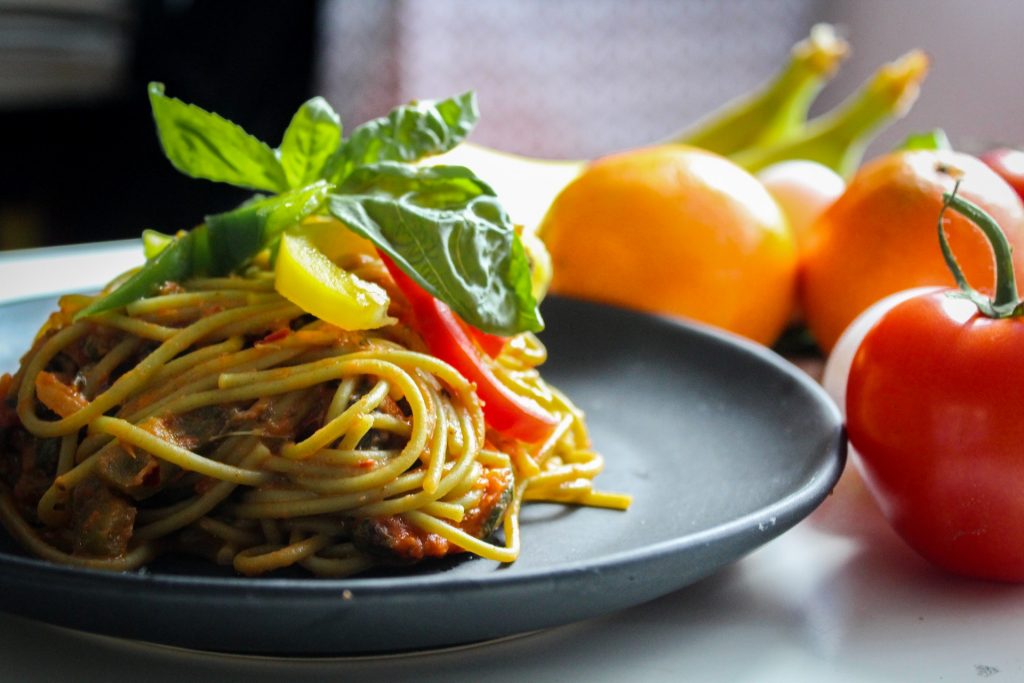
How to Keep Pasta from Drying Out and Without Wasting a Single Noodle
How to keep pasta from drying out after cooking? You know, when pasta is stored correctly you will never have problems with its consistency and enjoy leftover dish days or months after you’ve first cooked it. Giving a banquet or dinner party, timing flies quickly.
You think of many and try to apply different cooking techniques and fresh ingredients to impress your guests. You will probably have a stressful day of cooking. Are you serving pasta? Everyone likes macaroni products for dinner!
It’s almost a Friday night. You are making a great pasta or ragout with a sauce. You may fill it with wine, mushrooms, tomatoes, and aromatic herbs. If you want to unload your evening, you can make macaroni the day before and warm it up on Friday night just before dinner.
Now, you worry about how to keep pasta from running dry. Are you right in your concern?
HOW TO STOP SPAGHETTI DRYING OUT?
Luckily, there exist just two methods of saving cooked spaghetti for later without making them hard. You can refrigerate or even freeze already cooled unfilled or dressed pasta. Pick any of these methods for all kinds of pasta portions, including lasagna, spaghetti, noodles, and shells.
People say the best method to save pasta from making hard is coating it lightly. First, you add some dressing when making pasta, then you should use the rest of the sauce when reanimating your dish before serving.
If desired, you can invent some extra sauce for dinner. Even if your pasta is already covered with the sauce, your guests may want to put some more sauce on their plates.
Saving plain pasta
You can start preparations well ahead of dinner. This is your chance to unload your duties and spend some time for yourself. It remains to be seen whether you store your noodles properly or not. Luckily, you should rain your macaroni slightly with olive oil and store them in a plastic container or bag.
This is how you can cook the main dish at the meal in advance and leave it in the fridge with no worries at all. What is more, you can cook your macaroni, ditalini, or farfalle 48 hours and even more before you serve it when using secret ingredients. Just take your noodles out of the pot.
Dribble no more than a spoon of oil and make sure they all are coated. It is the main process you should always remember. First of all, olive oil helps to moisture your pasta and prevents it from getting rubbery. Oil covering works like a barrier, keeping your dish wet, fresh, and separated in the package.
Also, olive oil gives a new pleasing savor to your dish. Storing plain macaroni, you become flexible in your cooking and can easily use your plain stuff for another dish.
Saving Dressed Pasta
You can choose, but many cooks prefer storing already dressed pasta. What are the advantages of this procedure? When your macarons are kept in a cheese or tomato sauce, they become wet and flavorful. That’s true. Pasta, mixed with sauce absorbs its flavors and becomes more delicious. How to store sauced noodles? Put your dish into the storage bag or container. It expires in a few days in the fridge.
HOW TO KEEP MACARONI AND CHEESE FROM GETTING DRY
Do you have a special recipe for macaroni and cheese? All the secret is in a thick and ropy sauce. Make it with butter, drop of milk, flour, and much cheese. This is the only way to give your cheese dressing a pleasant creamy texture. As a rule, it is better to cook your noodles in a pot and dressing in another.
When your dishes are both ready, mess them up. The macaroni and cheese are brilliant when they are fresh. A bowl of pasta with melted cheese looks mouthwatering! Nevertheless, sometimes the dish becomes too dry.
So, how to keep macaroni and cheese to prevent them from drying out? It’s easier than you think. Just keep your macaroni in a tight container in a cold place for no more than 72 hours. Of course, you should cool the dish for 15 minutes before you place it in the fridge.
If you like frozen food, you can freeze your macaroni and keep them up to 2 months safely.
STORING MACARONI AND CHEESE IN THE FRIDGE TO HAVE THEM CREAMY AFTER REFRIGERATING
Many of you think that creamy versions of mac and cheese are not good for freezing. Not at all! This dish is already wet because of creamy sauce and it will never be dry when you serve it repeatedly. However, when you take it out of the fridge, you get clumps of pasta stuck together with the solid sauce.
It looks like pasta has absorbed moisture and becomes dry. Don’t worry. You can easily prevent drying and get creamy reheated macaroni. Honestly, it’s not about how you store your macaroni and cheese. The secret was how masterfully you hot up your dish.
Just keep the low temperature and water bath for reheating. A pot of hot water usually works well, but you have to monitor the temperature. 65 C is enough to reheat your macaroni with adding some extra milk for the sauce.
If you don’t have plenty of time to work on your dinner the whole day, you can try to bake it just from the fridge. Use an oven to hot up your dinner! Just place macaroni in an oven-safe dish and bake for 20 minutes at mid-temperature.
You don’t need much liquid in this case but a drop of milk is recommended. Don’t forget to cover the dish with a foil to prevent it from drying and you’ll get a wet creamy structure at the end.
HOW TO PREVENT NOODLES FROM RUNNING DRY IN THE FRIDGE
The rule is common to all – let your macarons cool for 20 minutes before placing them in a large storing bag or box. As it was told before, it would be proper to coat your pasta in olive oil and put in a fridge.
Remember, if you really want to prevent pasta from drying out and have it at a dinner table as it was just cooked, store it oiled in a container up to 5 days. You can keep plain noodles in a freezer for 3 months.
Serving time is coming. How to do it right? Of course, you can choose one of two popular methods above, baking or boiling-water bath. There is another effective method to breathe new life into your frozen pasta. Just take water to boil and put some salt in.
Now, cook your macaroni as if they were raw. Throw them into boiling water and keep boiling for 30 seconds. Don’t forget that your macaroni is already cooked so that you don’t need much time for reanimation. Now, the dinner is served and you have your noodles warm and strained. Of course, this method works only with plain frozen macaroni products. If you have a dressing for your dish, store it separately.
REFRIGERATE PASTA SAUCE SEPARATELY
It is time to speak about the sauce. You are recommended to store sauce and noodles separately in different containers. This is what it takes to prevent your macaroni from drying out. The sauce usually lives about a week when refrigerated. You can add it to any dish you cook, need not macaroni.
Keep in mind, tomato sauces are usually kept longer than creamy sauces because of its acid consistence. If you are not sure about your sauce, you’d better refrigerate it for no longer than a week. How to bring it back to life? It’s simple. Just remove your pasta dressing in a pot and heat it up on the stovetop.
Creamy sauces usually become sticky because of fat components. In this case, you may add some liquid, usually milk.
REFRIGERATING SAUCED PASTA
It is ok if pasta and sauce have been already joined together. So, put your macaroni in a special container and store them in the fridge. Ziploc bag is also good for storing sauced pasta. Make sure that you left the minimum air in the container. No air prevents your dish from molding.
Many people prefer storing noodles and sauce together because of saving space and efforts. It especially makes sense when you don’t have a lot of space to work with. Mind it, if your pasta is topped with the sauce, you can keep it for no more than 3 days.
It is the best recommended time you should keep your dish more or less wet and presentable. Of course, if you store it longer, it absorbs more sauce flavor but becomes mushy and sticky.
Pasta can go wrong in so many ways. Of course, sometimes things don’t go as planned. And you can find here some recommendations for making it in the right way and storing your favorite dish, sauced or not, as it was just from the stove.
There is a big difference between hot and tasty macaroni, and that awful mess you sometimes cook. The whole matter is in how you cook and store them.