
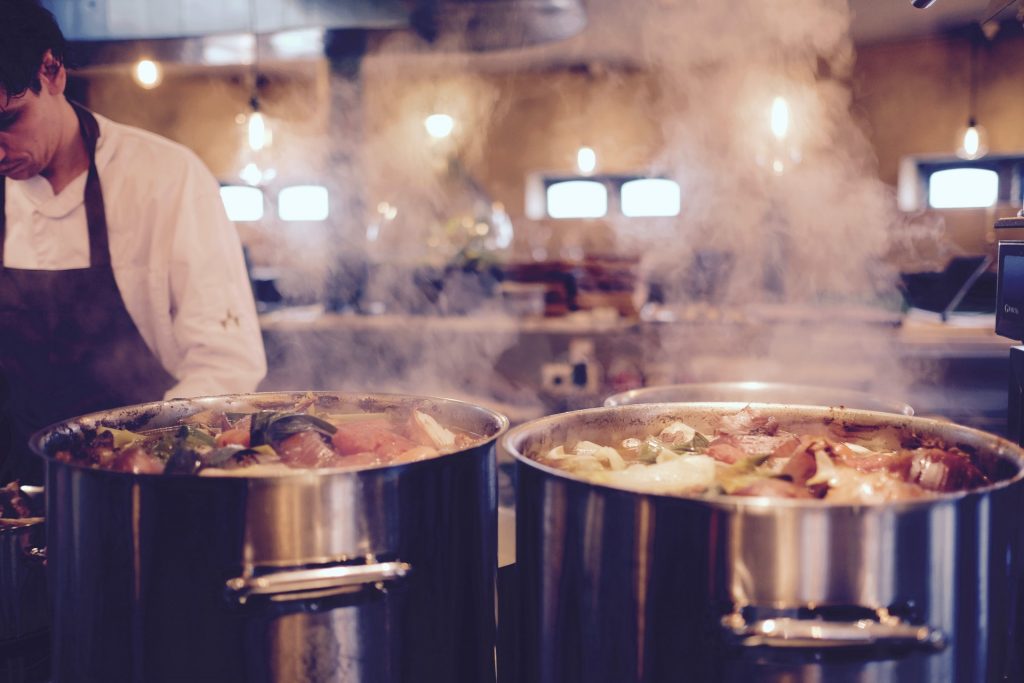
Vegetable Stock vs Chicken Stock – Which is Better?
Both types of soups are common enough and basically need no introduction. However, vegetable stock and chicken soup are sometimes perceived as a traditional and healthy, but not outstandingly tasty meals. How to choose between vegetable stock vs chicken stock for your next culinary masterpiece?
In reality, there are always a multitude of recipes, which can be easily improved by using stocks. What is more, adding several ingredients to your stock can turn your basic meal into a culinary delight.
In this article you will find must-know strategies of preparing both types of soups, which are fragrant bases for a lot of meals. And, what is also important, you will figure it out, how to make your stock even more delicious. So if you are not a big fan of stocks now, you may soon change your mind.
Which one appeals to me or you more?
First of all, it depends on your culinary taste and your nutrition needs. It is no wonder that chicken stock is the best option for those who are keen on a chicken flavor. And, quite the opposite, vegetable stock appeals to vegans like nothing else.
It is also beneficial for those who are determined to follow a low-calorie diet because chicken stock is more nutritious. To be more specific, chicken stock has 86 calories per cup, while vegetable one contains only 13 calories per cup.
If you are a food lover, always in search of something tasty and healthy as well, then why choose between them? And again, both dishes can be cooked more extraordinary than we used to think.
Vegetable stock vs chicken stock how to make
8 steps of cooking tasty vegetable stock
There is a certain poignancy in our recipe, as we will use fewer common ingredients, such as zucchini or mushrooms. Despite that, you may add your favorite vegetables and sauces or replace them with other season ones. The only rule is utilizing fresh ingredients.
You will need:
2-3 cabbage pieces
2 celery stalks
2 carrots
small broccoli
2 potatoes
6 minced cloves of garlic
3 tomatoes
3 yellow onions
4 tablespoons of olive oil
2 teaspoons of thyme (dried)
1 teaspoon of oregano
2 bay leaves
black pepper
parsley
fennel
Optional:
mushrooms (dried or 5,5 ounces of fresh ones, sliced and sautéed in advance)
zucchini
corn
beans (1,5 cup of soaked and simmered for 8-9 hours previously or 1 can of ready-made ones)
You may add prepared zucchini and mushrooms with their soaking water after 5 stage of cooking, which is mentioned below. Both ready-made beans and corn should be put at the final stage of the recipe.
Overall time of cooking: from 1.15 to 1.40 hours.
How to:
- Cut all the vegetables. Tomatoes, cabbage and onion are inclined to decrease in size during the boiling process so they should be cut larger.
- Add olive oil in a spacious pot and heat it. Remember: the more space for boiling you have, the brighter vegetable taste you get. You may also roast your veggies first for a deep fragrant.
Simmering time: 2-3 minutes.
- Stir onions in a saucepan. Do not let them burn, they only need to release the fragrant.
Simmering time: up to 5 minutes.
- Add carrots and celery. Fry them quickly just to make sure all the ingredients mixed together.
- Put bay leaves and garlic. Use 2 tablespoons of water and olive oil for maintaining a nice vegetable flavor.
- Fill veggies with water. After adding water do not forget to surge heat.
- Add tomatoes, cabbage, broccoli and potato. Another interesting fact is that tomato stemis proven to be extremely fragrant so you do not have to remove it from the stock. In wintertime utilize tomato paste, which perfectly tastes in a tandem with dried mushrooms.
Simmering time: 20 minutes. The lid should be covered.
- Put salt and seasoning. Feel free to use your favorite seasons to make your stock even more scented.
Simmering time: from 5 to 10 minutes.
Take out bay leaves at the end of your preparation.
How to prepare veggies more quickly
Then it definitely will be useful to boil water in another pot in advance. And hence, you will not spend additional time at the stage 6. The duration of the cooking process completely depends on the size of chopped vegetables. For less time-consuming, they should be bite-sized.
6 steps of preparing chicken stock
Here is another basic stock, which can be eaten plain or used as a flavorful foundation for more advanced meals. The highlight of this recipe is appending pieces of ginger and lemongrass. Once more, you can use additional veggies and herbs you have on hand, according to the previous recipe.
2 pounds of chicken (including carcasses, wings or bags)
1-2 onions
2-3 celery stalks
1-2 carrots
garlic
a bit ginger
lemongrass
pepper corns
2 tablespoons of dried thyme
bay leaves
Overall time of cooking: from 2. 40 to 3 hours.
How to:
- Roast your chicken before stock is prepared. Baking meat in the oven at 400 degrees protects you from harmful impacts of pathogens.
Roasting time: 20 minutes.
- Peel and cut your veggies. You should chop them into medium squares. As cooking meat takes a couple of hours, it prevents vegetables from falling apart.
- Put assorted meat and vegetables in a large pot. When they start to boil, continue boiling over a low flame.
Simmering time: up to 2 hours.
- Get ready to skim all the foam. Getting rid of it helps your stock to stay clear, not cloudy.
- Season your stock. Except for seasonings, which were previously mentioned, adding bulb part of lemongrass and a couple of ginger slices will be truly beneficial for the exquisite taste of your chicken stock.
Simmering time: 10-15 minutes.
- Take out meat and veggies. So, then you are surely able to use them for several other recipes, as will be seen soon.
How to wash my chicken firstly
You may not know that washing chicken can be a health hazard. Although washing chicken seems to be an essential part of cooking itself, according to Darin Detwiler, a professor of food policy at Northeastern University, it is really dangerous. When you wash chicken, it spreads bacteria, which may lead to salmonella, campylobacter or other illnesses. Therefore, baking chicken is the first step in our list.
How to get extra flavor to your vegetable or chicken stock
Fry or bake or even sweat your ingredients a bit before simmering. Quite similar to chicken, vegetables tend to become richer in taste after it.
Put some parmesan rids, when your stock simmers. They provide more complex and delicate taste to your soup and sauce as well.
Make a garnished bouquet, small packet of herbs, which acts like a tea bag. Create a sachet of your favorite seasons with a help of cheesecloth. Tie it carefully, utilizing a twine, so your bouquet will be easily removed at the end of stock preparation.
Leave your stock in the fridge overnight in order to stick flavors together. Another option for getting more fragrant is to blend your veggies in a food processor.
Vegetable stock vs chicken stock uses
If you are fond of searching for more complex dishes, then use your stock as a foundation for other meals. These are some of the best ideas of utilizing bouillon from both vegetable and chicken stocks.
Uses of vegetable stock
Speaking about basic vegetable stock, bouillon from it is a perfect gravy for salads. Mediterranean Salad, cooked with chickpeas, vegetables, olives, feta cheese and dressed with lemon herb, is the prime example.
Stock gravy gives it a savory punch, so the taste will differ from the traditional one.
Vegetable bouillon can also be a supplement to Eggplant Moussaka. It is a lite edition of a well-known Greek casserole, made by layering eggplants with a spicy ground beef and a bechamel sauce on the top. Actually, putting bouillon appeals to numerous casseroles, including no less popular Potato and Cauliflower one.
After all, you can always add your stock in Pasta Bolognese to give primarily beef, onions and tomatoes a new lease of taste.
Uses of chicken stock
As for chicken stock, it is good to add the liquid to chicken legs, which were previously browned in a frying pan. Cooking them slowly in stock and wine is a secret of making them tender. Then garlic, onions and rosemary are all you need to get an excellent ready-made meal.
Another way to utilize chicken bouillon is to stir it into Arabian rice, so risotto gets more fragrancy than ever. The taste enriches with the help of shrimps, parmesan, garlic and wine.
If you are willing to try the recipe of Eggplant ratatouille, then you should certainly add chicken stock in it. The savory taste of meat enhances the flavor of zucchini and tomatoes, the key ingredients of ratatouille.
Here is the list of other meals, which can be improved with stocks and may relate to your culinary taste:
– quinoa risotto, based on vegetable stock;
– mashed potatoes with a punch of vegetable stock;
– wheat berries, braised in vegetable stock;
– dumplings, cooked in chicken stock;
– bread pudding, roasted with chicken stock;
– gazpacho, based on chicken stock.
And please always bear in mind, that cooking is a sort of creation, so follow your own preferences and do not stop checking out unusual recipes.