
Make Pizza Crust Crispy
There is nothing like a soggy, floppy pizza to ruin pizza night. But trying to make restaurant-ready pizza with an indulgent, crispy crust can seem impossible. If you have tried everything yet still end up in a soggy dilemma, you need to learn how to make pizza crust crispy using tried and true methods.
If you are ready to put the soggy debacle to bed, you’re in luck. This is the complete guide for creating crispy, savory pizza crusts every time.
Use the Right Crust Thickness
There is a method to the madness when it comes to crafting pizza doughs. And, if you are in the market for crispy delights, you need to be extra peculiar when putting together your crust. You may be crafting it too thick, or surprisingly, too thin.
That is right – a crispy pizza crust does not mean flattening the dough to oblivion. While you want it to be thin, it shouldn’t be stretched so thin that it ends up being unable to support the ingredients on top.
Instead, opt for the golden thickness: 1/8th to 1/4th inches. This will allow you to have a crispy, crunchy crust without worrying about it failing with cheese, pepperoni, and other favorites on top. It will also put an end to super doughy Chicago-style slices that are anything but crispy (yet still utterly delicious).
Don’t Use Cold Dough
If you are looking for a soggy crust remedy, you might want to look at the temperature of your dough. If you’re using cold dough, it’s a recipe for a flappy disaster. Cold dough should never be used when making a pizza. Cold dough is naturally going to take a longer time to cook, which results in sogginess.
Instead, opt for room temperature dough. Not only will room temperature dough be more comfortable to manage, but it will also be more prone to crisping up.
Cook at Maximum Temperature
Many people fear the maximum temp of their oven, which includes when baking a pizza, too. Why? Well, nobody wants to end up charring their cheesy pizza (or any other dish, for that matter). But this precaution in the kitchen could be leading to soggy slices. What is a home chef to do?
The best thing to do is to stop being nervous about high temperatures when cooking pizza. Settling at 350F is never going to get you the perfect pizza crust. Instead, go for extra-high temperatures and a shorter cooking time. Opt for the maximum temperature on your oven, whether it’s 450F, 500F, or 550F. Just keep a close eye on it.
Use a Preheated Pizza Stone
If you don’t have a pizza stone, but you want top-notch crispy pizza crust, then you need to order one ASAP. While they are not technically essential, they will make a significant difference in your quest for crust perfection. Why? Because pizza stones were designed to handle the load. They’re the key to crispy heaven.
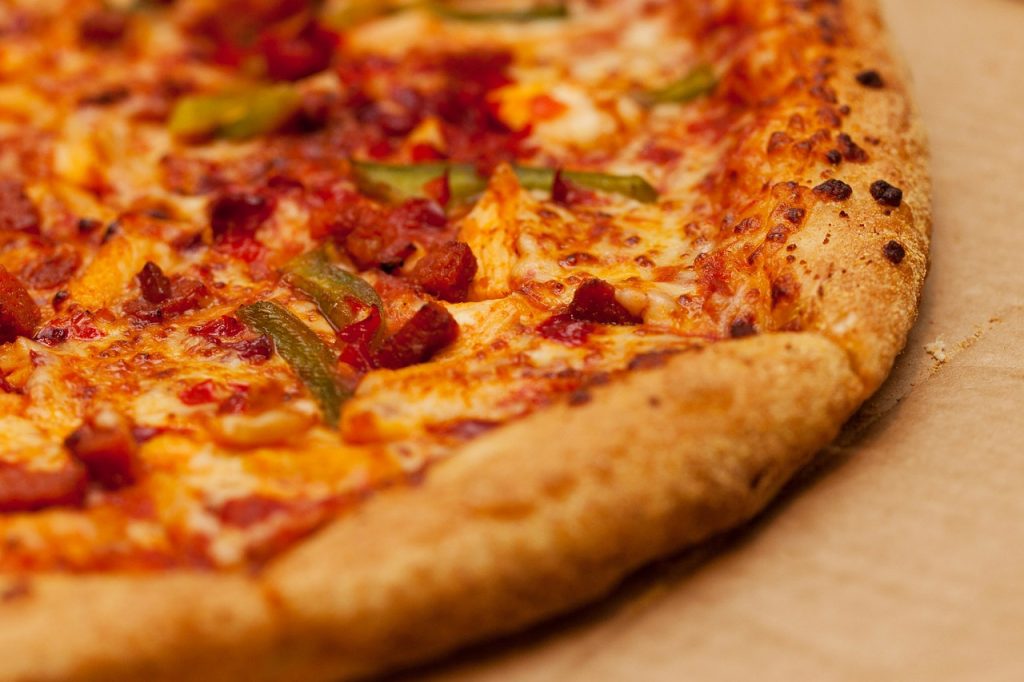
But don’t place your crafted pizza on the pizza stone and hope for a miracle. There is one major step you won’t want to miss: preheating the pizza stone. Let the pizza stone get piping hot on your oven’s highest temperature setting. When you are ready to throw the pizza into the oven, simply slide it on top of the hot pizza stone.
Preheating the cooking stone is an essential step. It will ensure that the bottom gets nice and crispy while also allowing the perfect amount of time for the ingredients on top to cook thoroughly.
Preheat the Pizza Crust, Too
It might also help to prepare your dough and preheat it for a few minutes too. This is because the pizza dough will be able to have a chance at crisping up without anything, such as wet ingredients hindering the process.
After the pizza stone is nice and hot, add the pizza dough and close the oven. Let it cook for just a few minutes. Then, remove the pizza. Add your ingredients – but be careful. Not all components are great choices for crispy pleasures, which you will learn about in this next section.
Don’t Overdo the Ingredients
Sauce, cheese, pepperoni, anchovies, pineapple – is there anything that can’t go on top of a pizza? While some might be subtle and enjoy a plain cheese pizza, others are adventurous and want to push their pizza to the cheesy limits.
However, toppings may be causing more harm than good, and no, that’s not just geared towards pineapple pizza lovers. Think about it: a plethora of ingredients is going to weigh down your pizza dough.
Even a pizza dough that has the ideal thickness won’t be able to handle too many ingredients. When making your own pizza at home, try not to pile it on. If you do, consider cooking the extras separately (if necessary) and adding them after the pizza is cooked. This will help to reduce the chances of ingredients weighing it down during its vital cooking stage.
Skip Extra Moist Ingredients
Overdoing it isn’t the only problem when it comes to crispiness and pizza problems. Choosing the wrong ingredients can also wreak havoc on your end result. How?
Well, some ingredients are simply too wet to ensure a crispy edge. For example, tomatoes that aren’t strained have extra moisture added to the pizza. Certain cheeses, such as bufala, are entirely too wet to win in the pizza game.
Opt for ingredients that don’t have extra moisture. Consider swapping your regular pizza sauce for something a bit more thick and hardy. Use aged cheeses and less cheese altogether. Avoiding additional moist ingredients can help the crust crisp up as it won’t be combatting with moisture trying to soak into the dough.
Use the Bottom Rack in Your Oven
Another handy tip is to use the bottom rack in your oven rather than the top. When placing your pizza on the bottom rack, the lower heating element will be more dominant. Thus, it will crisp up much nicer without impacting the ingredients on top.
Consider Grilling the Pizza
Not everyone’s pizza creations will succeed in the oven, although these tips will certainly help. But if you’re looking for a more reliable way to ensure a crispy, golden pizza, you might want to consider the phenomenon of grilling pizza.
It’s easier than you think. All you need to do is create your pizza as you usually would. However, a pizza stone is still recommended for this method, so it might be time to indulge in that investment.
Pizzas should be cooked on a grill that’s set to 450F or 475F. The grill should be preheated before adding the pizza. Once added, keep an eye on the pizza until it’s your desired temperature.
There is something about cooking a pizza over an open flame that adds so much succulent flavor. Not only that, but you will undoubtedly enjoy a super-crispy crust, unlike anything your oven could prepare for you.
Final Thoughts
Soggy pizza crust is a problem, but you have the tools and tips to solve your flappy pizza crust dilemma. It really comes down to the finer details, such as proper thickness and ditching cold dough. You should consider purchasing a pizza stone and letting it precook for superior results. Try and stay away from wet ingredients, and never overdo it.
If all else fails, skip to the grill for a crispy masterpiece every time. Whatever option you choose, just make sure to keep a close eye on the pizza at all times. There are only a few minutes before a crispy wonder turns into a burnt disaster.
More Final Thoughts
This is short and quick guide to make your pizza crust crispy. For more staff about pizza read this blog. We appreciate you visiting us on the internet.
Nothing better than nice crust on a pizza. Reminds me of childhood pizza which my grandpa would treat me to. And if you want to seriously impress your friends or your date you can put some red caviar on top of it. Not much, but just enough to immediately upgrade your made pizza to an upscale version of a meal.
Simple tricks that work wonders. Enjoy your crispy pizza.